High-performance structural machinery, customized fleet systems, and smart distribution components optimized for rapid deployment and tough field conditions.
Humanitarian logistics has transitioned from a reactive disaster-response function to a highly sophisticated, predictive supply chain management science. In an era marked by accelerating climate events, geopolitical complexities, and global public health priorities, the demand for resilient relief delivery is greater than ever. Today's humanitarian organizations, non-governmental organizations (NGOs), and government agencies prioritize supply network elasticity, digital tracking transparency, and end-to-end integration to ensure that aid arrives where it is needed, without failure.
Modern crisis logistics relies heavily on the integration of advanced hardware systems and intelligent shipping configurations. This includes the strategic utilization of physical tracking devices, highly specialized materials handling equipment (such as anti-static conveyor links and weather-resistant last-mile delivery drones), and secure multimodal customs transit networks. The ultimate objective is to eliminate bottleneck delays, preserve the integrity of cold-chain medical supplies, and maintain real-time cargo visibility from the factory floor directly to the target field location.
Strategic placement of basic shelter materials, water treatment chemicals, and medical supplies in automated hubs near high-risk zones reduces emergency dispatch time from weeks to hours.
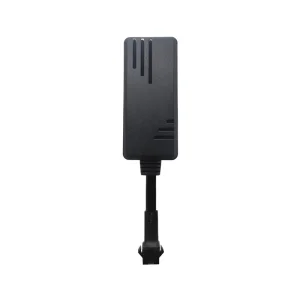
Continuous hardware tracking prevents loss and cargo spoilage, tracking essential metrics like route efficiency, container humidity, internal temperatures, and mechanical shock.
Pre-cleared regulatory documentation pathways and automated customs filing prevent secondary holding delays at international border control points.
Procuring agencies for the United Nations, international rescue committees, and governmental defense departments seek supply chains that balance speed with high reliability. When purchasing humanitarian logistics services, procurement officers look beyond basic air and sea freight rates. They assess vendors against severe service parameters: compliance with strict international hazard standards, ability to transport hazardous chemicals safely, availability of specialized delivery trailers, and implementation of automated storage setups.
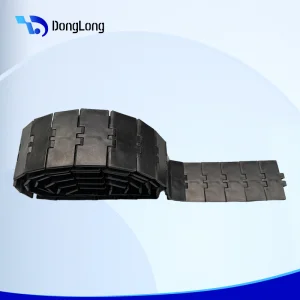
For instance, transporting pharmaceutical-grade assets or sensitive chemical reagents requires robust cold-chain support. Suppliers must provide chemical buffers, reliable transport configurations, and tracking to maintain chemical integrity throughout the journey. In addition, logistics manufacturers must design and supply highly durable warehouse processing equipment, such as robust modular plastic conveyor chains, to handle heavy loads continuously in dynamic assembly lines.
| Procurement Standard Category | Critical Field Requirement | Technical Logistics Solution |
|---|---|---|
| Last-Mile Delivery Integrity | Navigating broken infrastructure, flooded roadways, and contested operational zones. | Deploying autonomous weather-resistant last-mile delivery robots and specialized off-road trucks. |
| Pharmaceutical Transit Stability | Maintaining strict temperature controls for vaccines, reagents, and clinical supplies. | Insulated containers, stable chemical buffering media, and GPS telemetry monitoring. |
| Material Processing Speed | High-throughput sorting of mixed relief cargo in sorting hubs. | Anti-static side-flexing conveyor table chains and automated warehouse management (ASRS). |
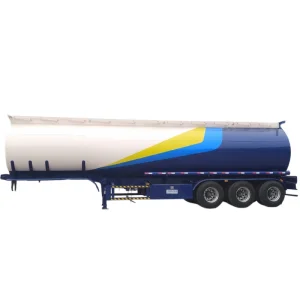
| Heavy Equipment Transport | Safe movement of water treatment plants, mobile hospitals, and power generators. | Multi-axle anti-corrosive stainless steel tank trailers and oversized cargo sea/rail shipping solutions. |
China's manufacturing sector has evolved from simple high-volume production into an automated, highly connected smart supply chain powerhouse. By integrating 5G tracking, robotic assembly, and digital logistics management, Chinese manufacturing sites produce and distribute relief items with high precision. This smart industrial base supports humanitarian logistics providers by supplying advanced transport equipment and fast-loading cargo components.
The integration of Industry 4.0 techniques ensures that critical logistics equipment—such as custom conveying systems, specialized steel liquid tankers, and smart tracking units—are built under strict quality guidelines. This high manufacturing standard ensures that components do not fail during operations in harsh environments. Furthermore, automated warehousing options, such as automated plate and tray storage structures, enable large-scale relief stockpiles to be organized, stored, and retrieved in record time.
Raw materials are cut, molded, and assembled using automated robotic stations to ensure exact dimensions for components like side-flexing chains, minimizing mechanical friction and wear in sorting hubs.
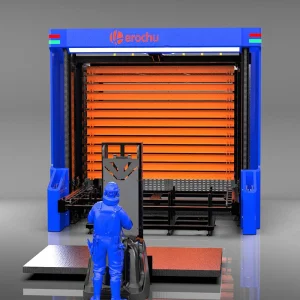
Automated Storage and Retrieval Systems (ASRS) optimize emergency supply depots, making it easy to store and retrieve heavy equipment or delicate components without delay.
A central digital dispatch platform connects automated factories directly to international sea ports, cargo airports, and land border crossings to keep global supply lines open.
Guangzhou FSG Logistics Co., Ltd. is a leading provider of comprehensive global logistics solutions, specializing in express air cargo, ocean freight, and railway logistics services. Founded in 2011 in Guangzhou, China, the company has rapidly grown into a trusted partner for businesses seeking reliable, efficient, and cost-effective supply chain solutions under its flagship brand FSG TransLink.
Starting as a small freight forwarding company, FSG Logistics quickly expanded its capabilities to cover multimodal transportation, including air, sea, and rail, providing flexible and scalable solutions for clients across industries. The company’s services include customs clearance, freight consolidation, inventory management, last-mile delivery, and supply chain consulting, ensuring shipments reach their destinations safely and on time.
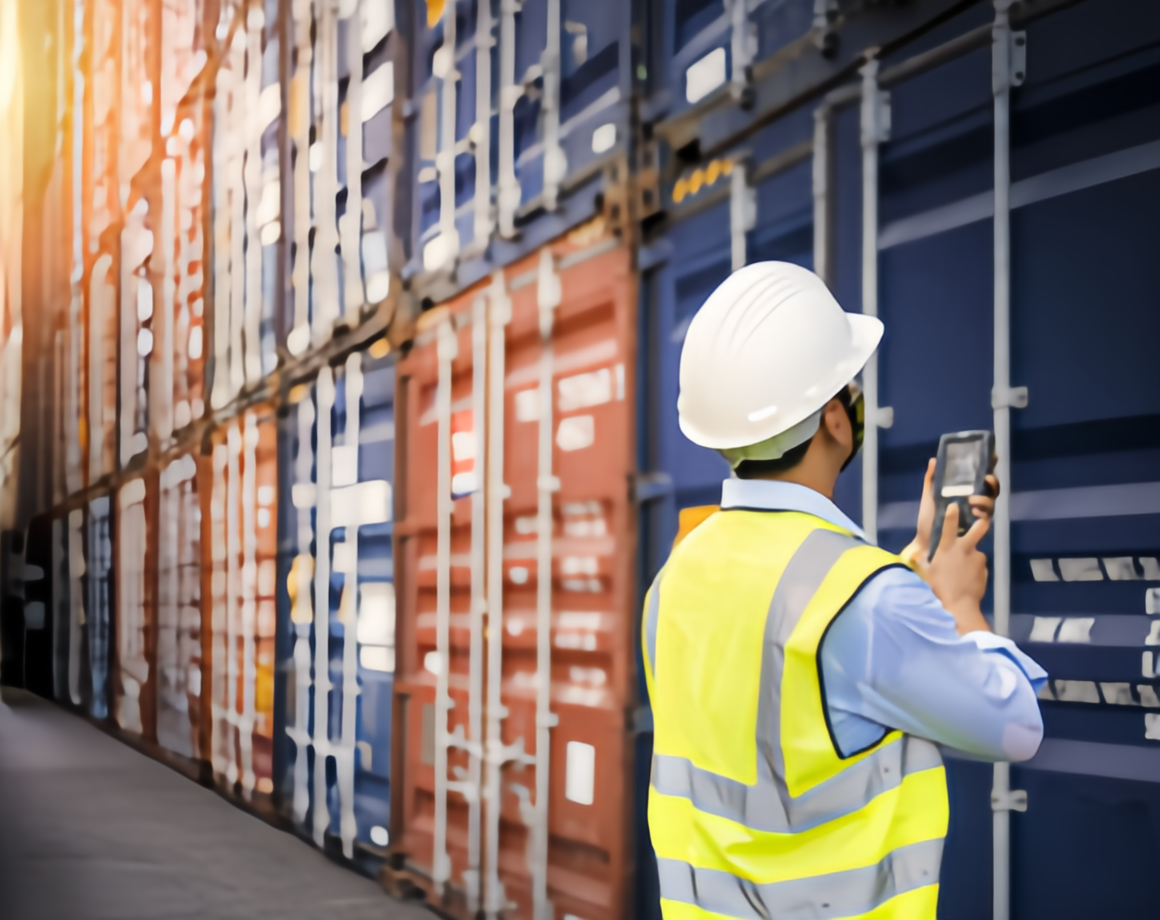
FSG TransLink leverages advanced logistics technology, including real-time tracking, route optimization, and warehouse automation, to deliver seamless freight management. The company also specializes in handling temperature-sensitive cargo, hazardous goods, and high-value shipments, providing risk management and freight insurance solutions for complete peace of mind.
Committed to operational excellence, sustainability, and customer satisfaction, Guangzhou FSG Logistics Co., Ltd. continuously innovates to meet the evolving needs of global trade. By combining expertise, technology, and a customer-centric approach, FSG TransLink empowers businesses to expand internationally, optimize supply chains, and achieve reliable, professional, and efficient logistics services worldwide.

Humanitarian logistics works in diverse settings, from remote rural paths to dense urban spaces damaged by natural events. Looking at real-world applications highlights the need for reliable transport networks and durable field equipment:
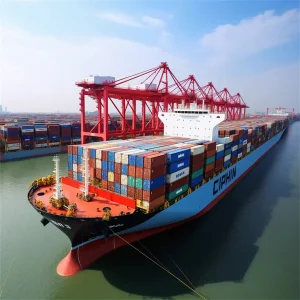
When airport access is limited, integrated cargo solutions combine air freight to nearby hubs with secure truck networks to move large shipments without customs delay risks.
Moving sensitive medicines and chemical reagents requires keeping temperatures stable. Combining buffered shipping packs with active cooling ensures products stay effective upon arrival.
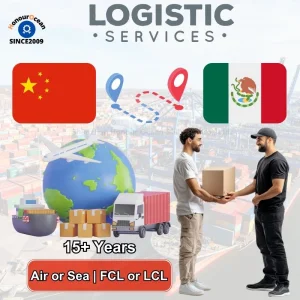
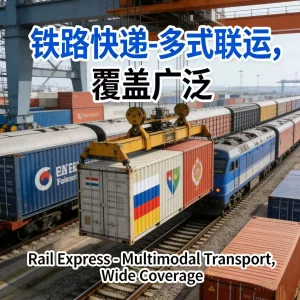
Delivering cargo through inland routes (such as China to Thailand, Laos, Myanmar, and Vietnam) depends on experienced logistics networks to handle local transit rules and clear customs smoothly.
Expert answers on technical requirements, supply routes, equipment choice, and risk management.
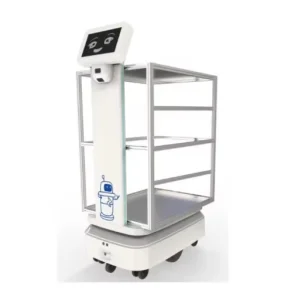
Last-mile delivery in emergency areas often faces broken roads, lack of power, and limited local resources. Logistics teams resolve these issues by using off-road vehicles and weather-resistant last-mile delivery robots. These tools allow transport teams to bypass blocked roads and safely deliver food, medicine, and critical tools directly to field clinics and local distribution centers.
FSG TransLink works with pre-cleared regulatory networks and digital customs systems to file paperwork early. By anticipating regional rules, arranging correct product codes, and organizing secure multimodal connections (air, sea, road, rail), they minimize customs inspections and avoid delays that could compromise time-sensitive relief operations.
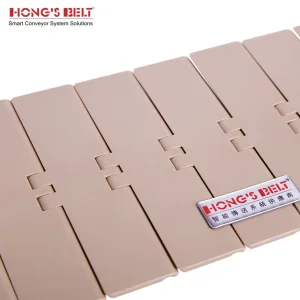
Relief warehouses manage a mix of goods, including sensitive dry foods, electronic tracking devices, and chemicals. Using anti-static conveyor chains prevents static buildup that could damage electronic parts or create safety risks in warm conditions. Additionally, side-flexing conveyor chains allow sorting hubs to optimize layout, process materials faster, and direct products quickly to dispatch areas.
Real-time trackers like the J16 GPS Tracker provide continuous visibility for high-value cargo. They allow relief coordinators to monitor vehicle positions, predict delivery times, and identify route deviations immediately. This visibility is essential for coordinate security and keeping international stakeholders updated on shipment progress.
Automated storage warehouses manage large quantities of goods with minimal human error. Automated systems track supply levels, rotation dates, and locations. This setup allows logistics workers to quickly find and load specific items (like water systems or medical kits) during sudden-onset disasters, reducing preparation times.
High-capacity tankers, shipping services, and industrial components that form the foundation of international supply chains.
 FSG Logistics