The global logistics landscape is undergoing a paradigm shift from the traditional "Linear Economy" (Take-Make-Dispose) to a "Circular Economy" (Reduce-Reuse-Recycle). Circular Economy Logistics manufacturers are no longer just transportation providers; they are the architects of closed-loop supply chains. This transformation is driven by three primary catalysts: Environmental Necessity, Regulatory Pressure, and Economic Resilience.
Optimizing the return flow of products, packaging, and materials to maximize value recovery through refurbishment or recycling.
Integrating biodegradable materials and reusable container systems (RTI) into the distribution network to eliminate waste at the source.
Transitioning from owning assets to "Logistics-as-a-Service," allowing for shared resources and higher utilization rates of transportation vehicles.
Guangzhou FSG Logistics Co., Ltd. is a leading provider of comprehensive global logistics solutions, specializing in express air cargo, ocean freight, and railway logistics services. Founded in 2011 in Guangzhou, China, the company has rapidly grown into a trusted partner for businesses seeking reliable, efficient, and cost-effective supply chain solutions under its flagship brand FSG TransLink.
Starting as a small freight forwarding company, FSG Logistics quickly expanded its capabilities to cover multimodal transportation, including air, sea, and rail, providing flexible and scalable solutions for clients across industries. The company’s services include customs clearance, freight consolidation, inventory management, last-mile delivery, and supply chain consulting.
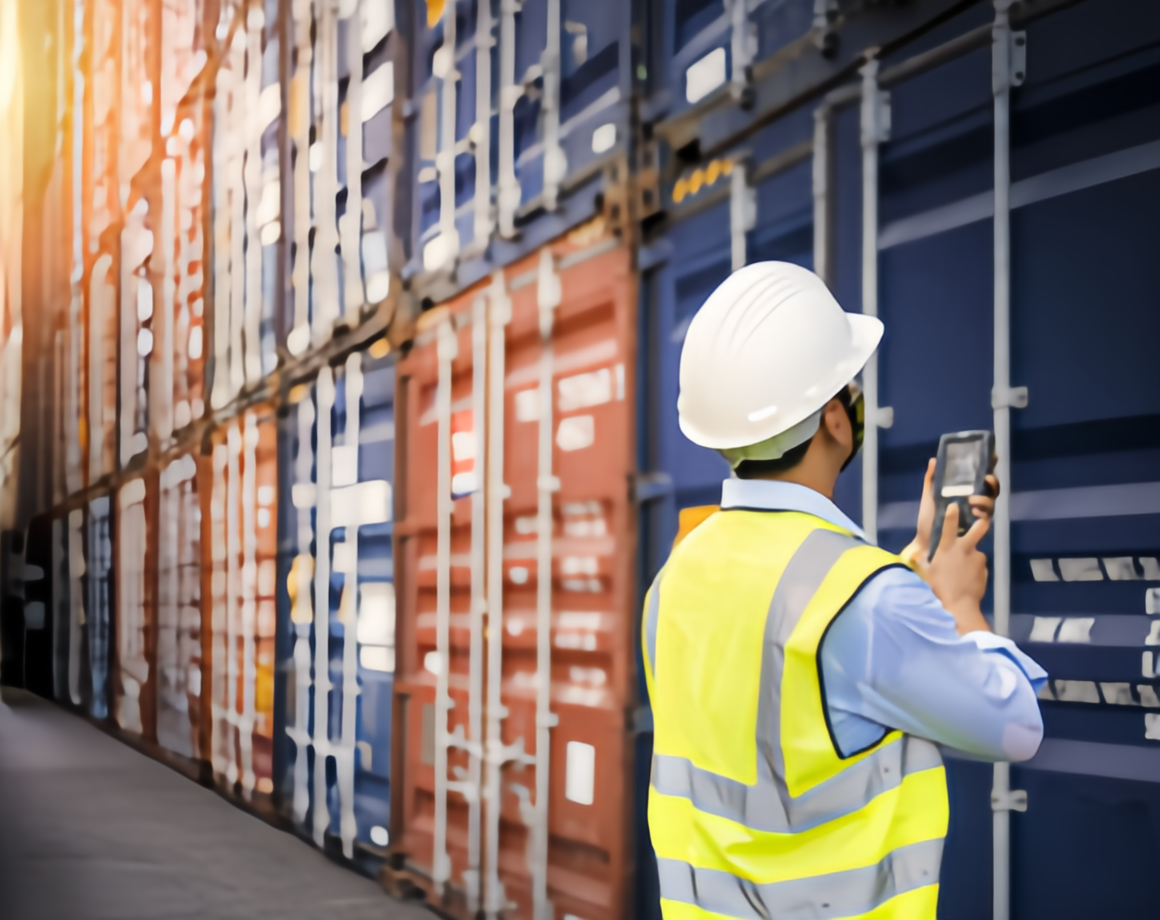
The industrial sector currently accounts for nearly 30% of global CO2 emissions. Circular logistics manufacturers are implementing advanced systems to mitigate this impact. Factories are now being redesigned as "Circular Hubs" where waste from one process becomes the raw material for another.
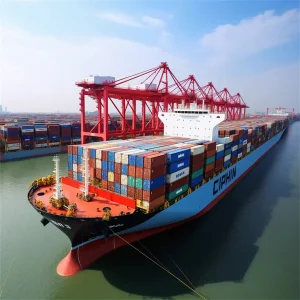
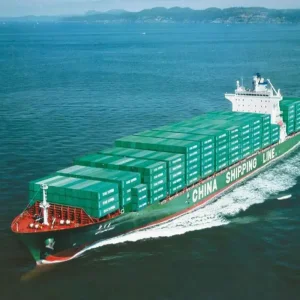
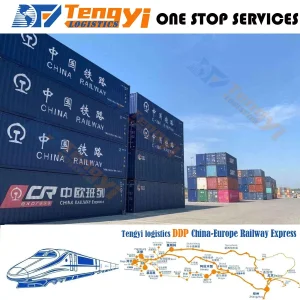
Industrial giants in Europe and Asia are pioneering Digital Product Passports (DPP). This technology, supported by manufacturers like FSG TransLink, allows for the transparent tracking of a product's lifecycle, from raw material extraction to end-of-life recycling. By leveraging multimodal transport—integrating air, sea, and rail—factories can reduce "empty miles" and optimize the carbon-to-cargo ratio.
Real-time route optimization using AI algorithms to minimize fuel consumption and predict maintenance needs before failures occur.
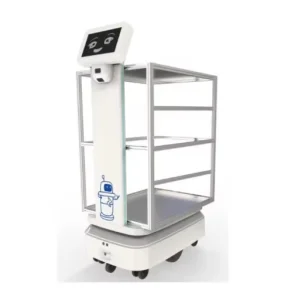
Integration of driverless delivery robots and electric freight trucks for carbon-neutral last-mile delivery in urban centers.
Immutable ledgers for tracking "Green Certificates" and verifying the sustainable origin of recycled materials in the logistics chain.
Standardized, modular packaging and container systems that can be reused across different industries and transport modes.

Navigating the complex landscape of international trade requires deep expertise in local regulations. FSG TransLink ensures all circular logistics operations meet global standards such as:
With localized support centers in major hubs like Germany, the USA, and Southeast Asia, we provide on-the-ground expertise to handle customs clearance and last-mile delivery, ensuring that circular business models are scalable across borders.
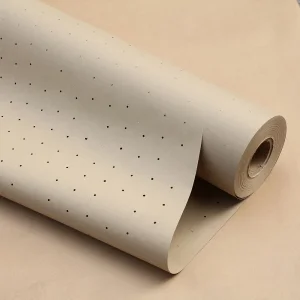
Factories using Sustainable Perforating Kraft Paper for garment cutting can now integrate their waste back into the paper production cycle via FSG's consolidated rail freight systems, reducing raw material costs by 20%.
Using specialized Dangerous Goods Sea/Air Freight, manufacturers can safely transport end-of-life EV batteries from global markets back to centralized recycling facilities in China, closing the loop on lithium and cobalt.
Real-time 4G GPS Tracking & Mdvr monitoring ensures that refurbished electronics are securely transported, maintaining the chain of custody required for premium circular brands.
When selecting a Top 10 partner for circular economy logistics, professionals must look beyond simple freight rates. The Information Gain lies in understanding the synergy between manufacturing and distribution. A "Top Factory" today is one that designs for disassembly. A "Top Logistics Provider" is one that manages the Second Life of a product.
FSG TransLink empowers businesses to expand internationally by combining expertise, technology, and a customer-centric approach. Our specialized handling of temperature-sensitive cargo and high-value shipments provides the risk management necessary for modern industrial circularity.
Q: What is the primary benefit of Circular Logistics for SMEs?
A: Beyond environmental impact, it offers significant cost savings through material reuse and reduced waste disposal fees, while enhancing brand loyalty among eco-conscious consumers.
Q: How does FSG TransLink handle reverse logistics for batteries?
A: We utilize specialized DG (Dangerous Goods) containers and certified air/sea routes that comply with IMDG and IATA regulations to ensure safe transport for recycling.
Q: Can circular logistics be applied to LCL shipping?
A: Absolutely. Consolidation (LCL) is inherently circular as it optimizes container space, reducing the number of shipments and the overall carbon footprint per unit.
 FSG Logistics