

In the contemporary landscape of global trade, environmental compliance has transformed from a voluntary corporate social responsibility (CSR) exercise into a foundational operational mandate. Multi-national corporations are aggressively auditing their Scope 3 emissions, which represent the indirect greenhouse gas emissions occurring within their value chains—specifically during raw material extraction, manufacturing, and international transportation.
The International Maritime Organization (IMO) has laid out stringent rules aiming for a 20-30% reduction in net emissions by 2030, and absolute carbon neutrality by 2050. Concurrently, the European Union's extension of the Emissions Trading System (EU ETS) and the Carbon Border Adjustment Mechanism (CBAM) are imposing concrete financial penalties on carbon-heavy supply configurations. In this environment, identifying and partnering with carbon-neutral shipping factories and certified green logistics suppliers in China has become a high-priority strategy for international supply chain managers.
By shifting cargo from high-emission air transit to optimized sea-rail connections, operations can realize carbon output reductions of up to 65%. Algorithms dynamically calculate the greenest pathways based on real-time transit data.
Integrating verified biofuels, such as green methanol or LNG, allows shippers to invest directly in reducing emissions within the transport cycle, rather than purchasing external, unverified forestry carbon offsets.
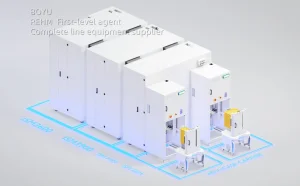
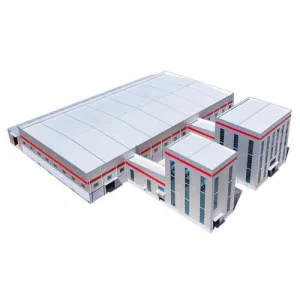
Leveraging high-efficiency storage solutions like the Essegi ISM3600f Double Tray system and energy-conscious prefabricated warehouses reduces operational carbon footprints right at the warehouse level.
China's industrial sector is undergoing a profound structural transition. The traditional reliance on resource-intensive manufacturing has been superseded by "Factory 4.0" technologies: Internet of Things (IoT) sensors, automated smart systems, and green energy power grids. Chinese factories are integrating zero-emission designs, circular resource recovery, and localized components sourcing to secure a resilient, self-sustaining manufacturing process.
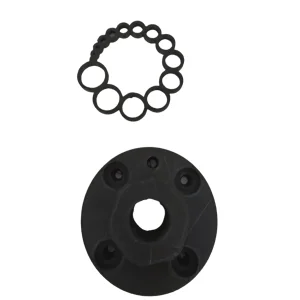
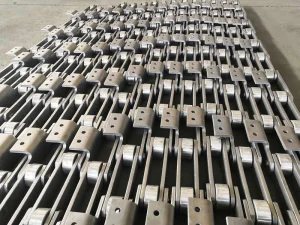
By blending production facilities with low-carbon transport logistics, companies minimize the "embedded carbon" of their final goods. This resilience is exemplified by how Chinese manufacturers coordinate complex product lines—such as high-value CNC machined parts, metallurgical conveyor chains, and automated consumer goods—maintaining a continuous feedback loop between production schedules and green container shipping queues. The outcome is minimized warehousing waste and a lower carbon cost per product unit.
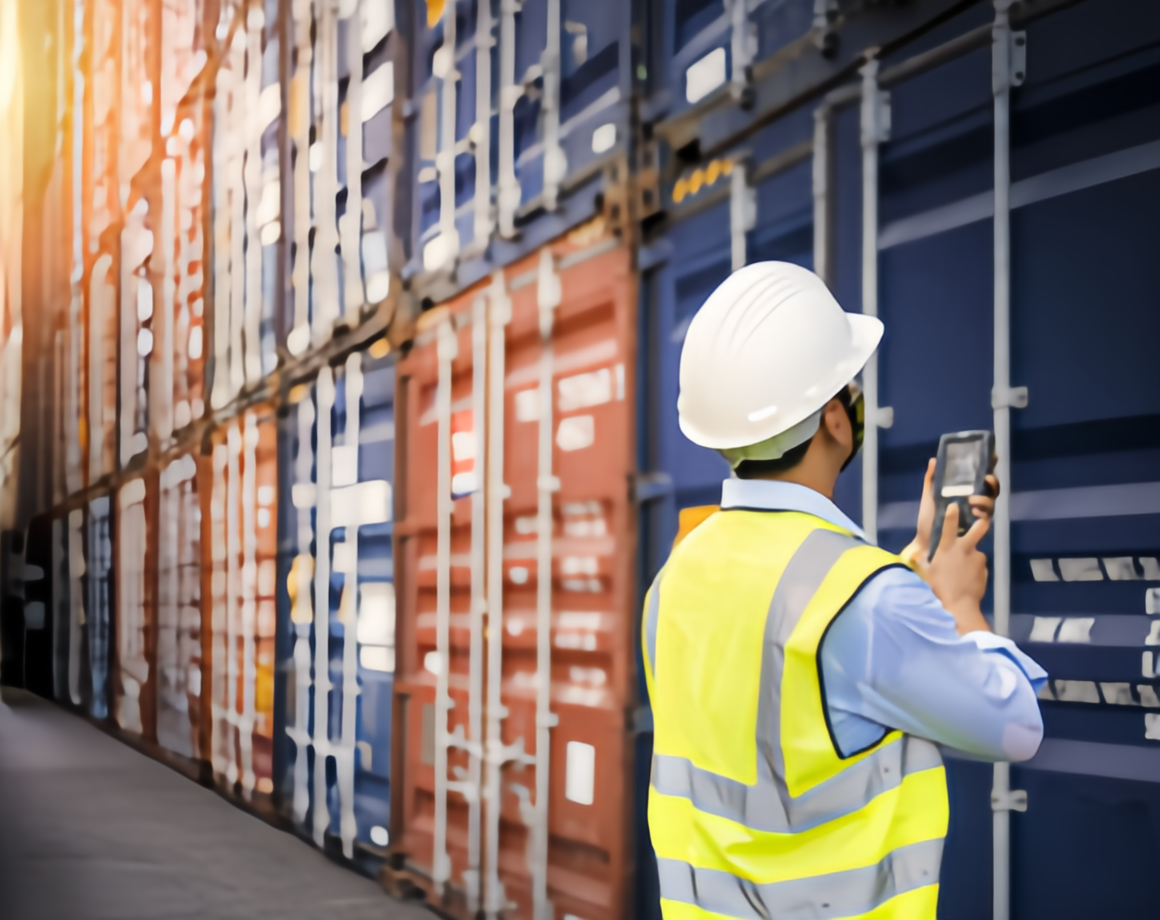 Figure 1:广州 FSG Logistics Co., Ltd. Global Network Layout
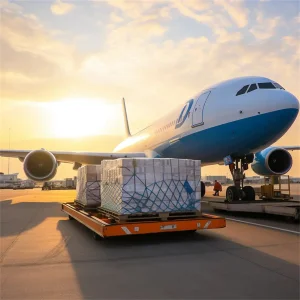
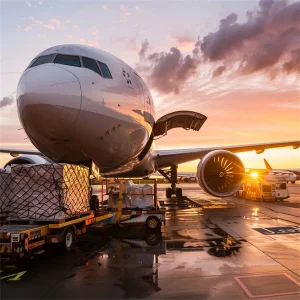
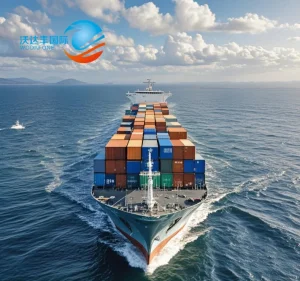
 Figure 2: FSG TransLink Eco-Friendly Ocean Freight and Air Transit Operations
Guangzhou FSG Logistics Co., Ltd. is a leading provider of comprehensive global logistics solutions, specializing in express air cargo, ocean freight, and railway logistics services. Founded in 2011 in Guangzhou, China, the company has rapidly grown into a trusted partner for businesses seeking reliable, efficient, and cost-effective supply chain solutions under its flagship brand FSG TransLink.
Starting as a small freight forwarding company, FSG Logistics quickly expanded its capabilities to cover multimodal transportation, including air, sea, and rail, providing flexible and scalable solutions for clients across industries. The company’s services include customs clearance, freight consolidation, inventory management, last-mile delivery, and supply chain consulting, ensuring shipments reach their destinations safely and on time.
FSG TransLink leverages advanced logistics technology, including real-time tracking, route optimization, and warehouse automation, to deliver seamless freight management. The company also specializes in handling temperature-sensitive cargo, hazardous goods (such as UN 1402 Calcium Carbide), and high-value shipments, providing risk management and freight insurance solutions for complete peace of mind.
Committed to operational excellence, sustainability, and customer satisfaction, Guangzhou FSG Logistics Co., Ltd. continuously innovates to meet the evolving needs of global trade. By combining expertise, technology, and a customer-centric approach, FSG TransLink empowers businesses to expand internationally, optimize supply chains, and achieve reliable, professional, and efficient logistics services worldwide.
European buyers are governed by the strict regulations of the EU Green Deal. When importing heavy components, consumer electronics, or custom books from Chinese factories, they rely on FSG TransLink to implement multimodal transport schemes. Standardized cargo is collected in Shenzhen or Ningbo, transported via rail links through Central Asia, and delivered to a consolidated warehouse in Belgium. This process reduces transport emissions by up to 50% compared to pure sea freight routes and bypasses the volatility of traditional shipping lanes.
Shipping into Mexico, Canada, and the United States demands transparent documentation and efficient customs clearance. For manufacturers exporting high-value CNC machining parts or custom metal products, FSG TransLink manages the entire journey from the Chinese assembly plant straight to the end customer's distribution facility. Shipments are consolidated with precise carbon footprint calculations, allowing buyers to import zero-carbon offset data directly into their annual Scope 3 emission statements.
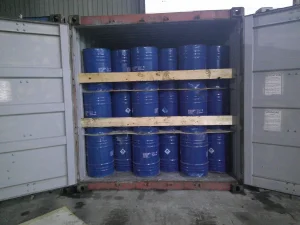
Transporting hazardous materials like UN 1402 Class 4.3 Calcium Carbide requires strict regulatory compliance alongside specialized carbon-minimizing shipping solutions. FSG TransLink addresses this by pairing specialized dangerous goods packaging with optimized, direct maritime routes. This reduces port delays and avoids emergency detours, minimizing both safety risks and carbon emissions.
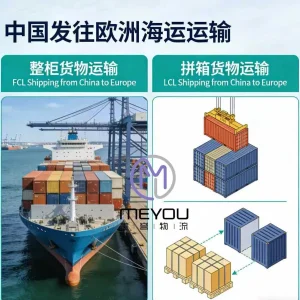


 FSG Logistics