Effective packaging plays a pivotal role in determining freight costs. Why packaging quality affects freight costs is a critical issue that businesses need to understand. According to a study by the International Journal of Logistics Research and Applications, companies can save up to 15% on transportation costs by enhancing packaging quality.
When products are packaged well, they transit more safely. This reduces the risk of damage during shipping, leading to fewer claims. The Council of Supply Chain Management Professionals reports that damaged goods can escalate shipping costs by 20% or more. Poor packaging may also result in higher freight fees due to the need for additional protective measures.
Moreover, quality packaging can influence weight and volume metrics. Lighter and more compact packaging decreases shipping costs. However, many businesses overlook the importance of packaging design and material. This oversight can lead to unnecessary freight expenses. Reflecting on these elements is vital for improving logistics efficiency and maintaining competitiveness in the market.
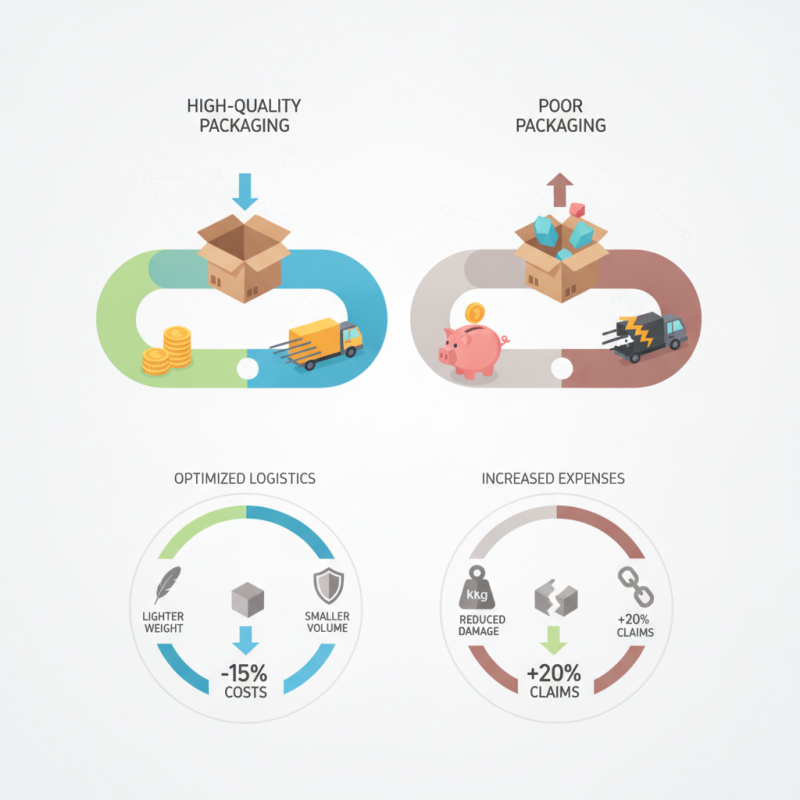
Packaging quality plays a crucial role in freight shipping costs. Factors influencing this quality include materials, design, and durability. High-quality packaging can prevent damage during transit, reducing costs associated with returns and replacements. Poor packaging may lead to product loss, which can be financially detrimental to businesses.
Choosing materials wisely is essential. Use sturdy boxes or containers that can withstand rough handling. Consider the weight of the packaging, as heavier options can increase shipping costs. Additionally, using the right amount of cushioning can protect products without adding unnecessary weight.
Tips: Always test packaging before large shipments. This step can help identify vulnerabilities. Regularly review packaging components to ensure they meet safety and quality standards. Lastly, staying updated with industry best practices can improve the overall shipping process.
The relationship between packaging and transportation costs is significant. Effective packaging can reduce the overall weight of shipments, leading to lower freight charges. Lightweight materials, for example, save on shipping costs. Additionally, compact packaging maximizes space utilization. This means fewer trips, which directly cuts costs.
However, not all packaging solutions are optimal. Oversized packaging can lead to wasted space and increased freight expenses. Fragile items require more robust packaging, often raising costs. Balancing protection and cost is essential. Poor choices may lead to increased damage during transit. This affects profitability and can tarnish reputation.
Moreover, the impact of packaging on transportation goes beyond just weight and size. It influences handling efficiency and speed. Well-designed packages streamline loading and unloading processes. In contrast, complicated packaging can slow operations, leading to additional labor costs. These aspects require careful consideration for businesses aiming to optimize their shipping strategies.
| Packaging Type | Material Quality | Weight (lbs) | Freight Cost per Unit ($) | Damage Rate (%) |
|---|---|---|---|---|
| Cardboard Box | High Quality | 5 | 10.00 | 2 |
| Plastic Crate | Medium Quality | 7 | 12.00 | 1.5 |
| Wooden Pallet | High Quality | 10 | 15.00 | 3 |
| Bubble Wrap | Low Quality | 1 | 8.00 | 5 |
| Shrink Wrap | Medium Quality | 2 | 6.50 | 2.5 |
Damaged packaging can significantly increase freight costs. When items break during transit, companies face higher expenses. This includes the cost of replacing damaged goods and the extra shipping needed for replacements. Such issues affect overall profitability.
Moreover, poor packaging can lead to delays. When products arrive damaged, suppliers must inspect and resend items. This process takes time, causing possible penalties or loss of customer trust. In turn, this creates a cycle of inefficiency, affecting long-term business relationships. Investing in quality packaging is not just about aesthetics; it is essential for maintaining a smooth supply chain.
Many businesses overlook the importance of sturdy packaging. Some might assume that a basic box or wrapper suffices. However, inadequate protection leads to costly risks. It is crucial to evaluate packaging materials and methods regularly. Even small improvements can yield significant savings in freight costs over time.
Sustainable packaging has gained significant attention. Companies are seeking ways to reduce their carbon footprint. However, the cost implications are complex.
Using biodegradable materials can lower environmental impact. Yet, these materials might not always be the most economical choice. For instance, compostable packaging can be pricier than traditional options. This raises questions about its feasibility for all businesses.
Companies must consider freight costs too. Heavier, bulkier packaging may increase shipping expenses. Sustainable solutions often aim for lightness and efficiency. But not all green options provide the same benefits. Finding the right balance is crucial. Analyzing logistics is essential in this decision-making process.
The bar chart above illustrates the relationship between packaging quality and associated freight costs. As the quality of packaging improves from low to high, the freight costs significantly decrease, indicating better packaging solutions can lead to substantial cost savings in logistics.
Optimizing packaging is crucial for reducing freight costs. Effective packaging minimizes the weight and volume of shipments, directly impacting transportation expenses. Light materials can lower shipping charges. Using right-sized packaging can also prevent unused space, leading to efficient freight use. This strategy not only saves costs but also enhances sustainability.
Consider the importance of choosing durable materials. These can prevent damage during transit, reducing the risk of loss. However, the balance of weight and strength is vital. A package that is too light may not provide adequate protection. It’s essential to evaluate the fragility of the product when selecting materials.
Testing packaging designs can lead to improvements. Innovations in packaging technologies may yield unexpected results. A trial-and-error approach might reveal better solutions. Regular audits of packaging efficiency help identify areas for cost savings. Companies must be open to revisiting their packaging practices, even if modifications seem minor. These small changes can accumulate over time, leading to significant freight cost reduction.
: Damaged packaging increases freight costs by requiring replacements and extra shipping. This affects overall profitability.
Poor packaging can cause delays. It may lead to penalties and loss of customer trust.
Quality packaging maintains a smooth supply chain. It prevents damage and reduces costs.
Yes, many assume basic packaging is sufficient. This can result in costly risks.
Companies must regularly assess their packaging materials. Even minor upgrades can lead to savings.
Not always. Biodegradable materials may be pricier than traditional options, creating a cost dilemma.
Evaluate freight costs. Heavier packaging can increase expenses. Balance is essential for efficiency.
Frequent damage and delays can create a cycle of inefficiency. This can strain supplier relationships.
Analyzing logistics helps find the right packaging balance. It ensures cost-effectiveness and efficiency.
Yes, even small changes can result in significant savings over time. It’s worth reflecting on this.
The quality of packaging plays a crucial role in freight shipping costs, and understanding "why packaging quality affects freight costs" is essential for optimizing logistics. Several factors influence packaging quality, including materials used, design, and the ability to withstand transportation stressors. High-quality packaging can reduce the risk of damage during transit, leading to lower return and replacement costs, while subpar packaging may increase the likelihood of damage, resulting in higher freight expenses.
Furthermore, the relationship between packaging and transportation costs is evident, as better packaging can enable more efficient loading, reduce wasted space, and potentially lower shipping rates. Adopting sustainable packaging solutions not only enhances the brand's image but can also lead to cost savings in the long run. By implementing strategies to optimize packaging, shippers can reduce freight costs while maintaining product integrity and compliance with shipping standards, ultimately contributing to a more efficient and cost-effective supply chain.

FSG Logistics