Delays in air cargo shipments have become a pressing issue for the industry. According to the International Air Transport Association (IATA), approximately 24% of air cargo shipments experience delays due to various reasons. These disruptions impact not only supply chains but also profitability for companies reliant on timely deliveries.
Why do some air cargo shipments get delayed? Factors such as weather conditions, customs clearance, and logistical bottlenecks play significant roles. For instance, adverse weather can lead to rerouted flights, causing significant schedule disruptions. Furthermore, customs delays can occur as a result of incomplete documentation or increased inspections, which further complicates the system.
Reflecting on these challenges reveals a larger issue within the logistics framework that may require urgent attention. Companies must streamline operations and improve communication across all supply chain levels to mitigate these delays. The goal is not merely to identify why some air cargo shipments get delayed but to understand how we can make the process more efficient and reliable.
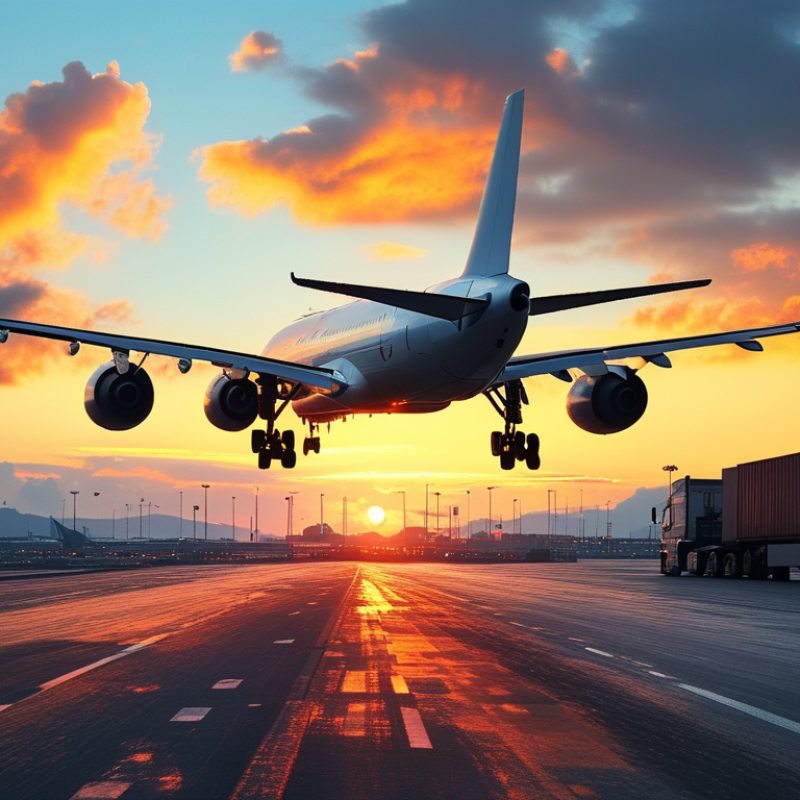
Factors Contributing to Air Cargo Shipment Delays
Air cargo shipments can face numerous delays due to various factors.
Weather conditions are a significant contributor.
Heavy rain, snow, or storms can disrupt flight schedules. Delays in one area can cascade, causing further issues down the line.
Aircraft might need to be rerouted, or flights may be canceled altogether.
Seasonal weather patterns often amplify these challenges.
Another factor is operational setbacks at airports.
Congested air traffic can lead to extended wait times on the tarmac. Ground handling delays also play a role.
If cargo handlers face staffing shortages or equipment malfunctions, delays can happen.
Sometimes, even customs procedures can take longer than expected.
Missing documentation can halt a shipment in its tracks, delaying delivery.
In addition, geopolitical events can create uncertainty.
Strikes, protests, or regulatory changes in different countries can complicate shipping routes.
The unpredictability of international relations means that air cargo operators must remain flexible.
They may need to alter routes unexpectedly, leading to delays.
Each of these factors underscores the complexities of air cargo logistics.
Operators continually assess these challenges to improve their processes and minimize disruption.
Impact of Weather Conditions on Air Cargo Timeliness
Weather conditions significantly impact air cargo shipments. Severe weather events like storms, heavy rain, and snow can disrupt flight schedules. For instance, fog can reduce visibility, leading to delays. Such interruptions are common in winter months. Planes may need to change routes, which adds to travel time.
Airports also face operational challenges due to adverse weather. Runways and taxiways may require snow removal or de-icing, further delaying flights. Ground handling operations can slow down as well. Delayed arrivals can lead to a backlog of cargo, complicating logistics for businesses relying on timely deliveries.
Transportation networks depend heavily on reliable weather forecasts. While airlines take measures to mitigate risks, unpredictability remains a factor. A simple weather change can produce unexpected delays. This reality underscores the need for adaptive planning in air cargo logistics. Stakeholders must remain vigilant and flexible to manage these challenges effectively.
Air Traffic Congestion and Its Effects on Cargo Deliveries
Air traffic congestion has become a significant factor affecting air cargo deliveries. Airports worldwide are experiencing increased traffic, making it harder for cargo planes to stick to their schedules. Delayed takeoffs and landings can lead to compounded delays, affecting the entire logistics chain. When a plane sits on the tarmac, precious time and resources are wasted.
Furthermore, weather conditions can exacerbate these delays. Poor visibility or severe storms often result in air traffic control restrictions. Pilots must navigate carefully, and this further slows down transportation. This situation creates ripples throughout the system, leaving cargo stranded and delivery timelines compromised. Shippers expect reliability, yet air congestion disrupts even the best-laid plans.
Additionally, loading and unloading processes can be impacted by congestion. Ground staff may struggle to keep up with the influx of flights, leading to longer wait times. There’s a need for improvements in infrastructure and logistics management. Ensuring efficient operations should be a priority. Reflecting on these challenges reveals an ongoing need for adaptation in the face of congestion, as the industry continues to evolve. Improving communication and planning may help mitigate these issues, but they remain significant hurdles to overcome.
Customs and Regulatory Delays in International Air Cargo
Delays in air cargo shipments often stem from customs and regulatory challenges. Each country has its own customs regulations, which can be complex. When goods arrive at a destination, customs agents must inspect and clear them. This process can take time, especially if there are discrepancies in documentation. A missing invoice or incorrect labeling could result in significant delays.
Compliance with customs regulations is crucial. Shippers must ensure all paperwork is accurate and complete. Mistakes can lead to requests for additional information. Agents may need to conduct inspections or audits, further prolonging the process. These unexpected holdups can frustrate businesses reliant on timely shipments.
A further complication arises from varying regulations. Changes in laws or trade agreements can alter customs procedures unexpectedly. Staying informed about these shifts is essential for shippers and logistics managers. Yet even with diligence, unexpected issues can cause delays. Cargo may be held for clarification, and thus shipment schedules become unpredictable. The intricate nature of international shipping presents ongoing challenges that require constant vigilance.
Operational Challenges Within Air Cargo Logistics and Handling
Air cargo logistics face various operational challenges that contribute to shipment delays. A study by the International Air Transport Association (IATA) reports that around 30% of air cargo shipments are delayed due to issues in handling and logistics. One significant factor is the lack of efficient communication between ground handlers and airlines. When information is not shared promptly, it disrupts cargo operations and leads to additional waiting times.
Moreover, inadequate infrastructure at airports plays a crucial role. Airports often experience congestion during peak hours. This leads to longer loading and unloading times, affecting the overall schedule. According to a report from the World Bank, around 20% of airport capacity is often underutilized due to these operational bottlenecks. Such inefficiencies highlight the need for better resource management and technology adoption.
Additionally, sudden changes in regulations can impact air cargo operations. For instance, new customs procedures can lead to prolonged inspection times. A report from the Global Air Cargo Advisory Group indicates that regulatory delays account for about 15% of transit time increases. This reflects the industry's struggle to adapt to changing regulatory environments while maintaining timely deliveries.
Why Do Some Air Cargo Shipments Experience Delays? - Operational Challenges Within Air Cargo Logistics and Handling
| Reason for Delay |
Percentage of Shipments Affected |
Average Delay Time (Hours) |
Comments |
| Customs Clearance Issues |
25% |
5 |
Delays often occur due to incomplete documentation. |
| Weather Conditions |
20% |
6 |
Adverse weather can limit flight operations. |
| Operational Inefficiencies |
15% |
4 |
Equipment failures and personnel issues are common causes. |
| Security Checks |
10% |
3 |
Increased security protocols can cause delays. |
| Flight Scheduling Changes |
30% |
2 |
Re-routes and cancellations can lead to delays. |
Conclusion
Air cargo shipments are essential for global trade, but delays can occur for various reasons. Understanding "why some air cargo shipments get delayed" involves examining several critical factors. Weather conditions play a significant role, as adverse weather can lead to flight cancellations or delays, impacting cargo delivery schedules. Additionally, air traffic congestion often results in bottlenecks, causing further delays in transportation.
Moreover, customs and regulatory processes can introduce significant lag, especially in international shipping, where compliance with varied regulations is vital. Lastly, operational challenges such as inadequate infrastructure or logistical issues within handling facilities can hinder the timely processing of cargo. Each of these factors illustrates the complexities involved in air cargo logistics and highlights the importance of effective management to enhance shipment timeliness.

 FSG Logistics